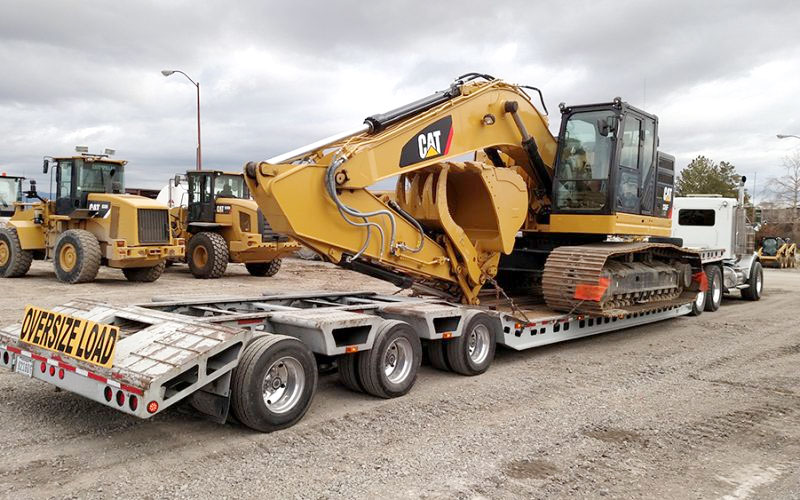
The mining sector relies heavily on colossal, high-powered machinery to extract valuable resources efficiently. However, getting these massive machines from a manufacturing facility or port to a remote, often unforgiving mining site is a monumental logistical challenge. Successful mining equipment transport demands meticulous preparation, specialized hauling vehicles, and a deep understanding of complex regulatory frameworks. In this comprehensive guide, we will explore the critical elements necessary for moving your heaviest, most valuable assets securely and on schedule.
Navigating the Logistics of Heavy Hauling
Transporting massive industrial assets is a completely different ballgame compared to standard freight shipping. The sheer dimensions and tonnage of haul trucks, excavators, and giant crushers create unique hurdles that require specialized solutions. This complexity is closely mirrored in construction machinery transport, where moving towering cranes, heavy-duty bulldozers, and large pavers requires the same level of logistical precision.
Because these machines frequently exceed standard legal road dimensions, they cannot simply be driven down a public highway. They require multi-axle modular trailers, lowboys, or specialized flatbeds specifically engineered to distribute extreme payloads safely without damaging infrastructure.
Strategic Planning: The Backbone of Mining Equipment Transport
The foundation of any successful heavy haul is rigorous, detail-oriented planning. Long before a transport truck’s engine is started, logistics specialists must execute comprehensive route surveys. This vital step involves a meticulous analysis of:
- Infrastructure Limits: Checking bridge weight capacities and road structural integrities.
- Clearances: Measuring overhead obstacles like power lines, overpasses, and traffic signals.
- Physical Constraints: Ensuring turning radii are sufficient for unusually long trailers on tight corners.
Furthermore, securing oversized load permits is a complex but mandatory process. Every region operates under its own specific transportation regulations. Navigating this bureaucratic maze efficiently prevents costly legal delays and heavy fines. Depending on the dimensions of the load, civilian pilot cars or official police escorts may also be legally required to manage traffic and ensure public safety along the route.
Prioritizing Safety and Load Integrity
When transporting machinery worth millions of dollars, maintaining safety and equipment integrity is the highest priority. Expert rigging and securing techniques are absolutely non-negotiable. Transport crews utilize specialized, heavy-duty chains and binders calculated specifically for the machine’s weight and center of gravity to prevent any shifting during transit.
The loading and unloading phases are often the most dangerous parts of the journey. These processes frequently require the deployment of high-capacity cranes or custom-built, reinforced ramps, all operated by seasoned professionals who understand the precise mechanics of heavy machinery. Additionally, weather conditions must be continuously monitored, as high winds or icy roads can turn a challenging haul into a dangerous one.
Choosing the Right Heavy Haul Partner
Given the exceptionally high stakes, attempting to manage this internally without dedicated expertise is highly risky. Partnering with a logistics provider that specializes exclusively in heavy hauling is the smartest business decision. Look for a partner with a proven, verifiable track record in mining equipment transport. They should possess a state-of-the-art fleet of specialized trailers, an in-house permitting department, and, crucially, comprehensive insurance coverage that fully protects the replacement value of your machinery from door to door.
Ultimately, moving earth-moving equipment is a highly specialized operation. By respecting the complexities involved and leaning on seasoned transport professionals, mining operations can minimize downtime and ensure their vital machinery arrives safely and ready to work.